
 English
 Deutsch
 中文简体
中文简体
Shuangzhai Industrial Zone, Dongcheng Town, Linhai City, Zhejiang, China.
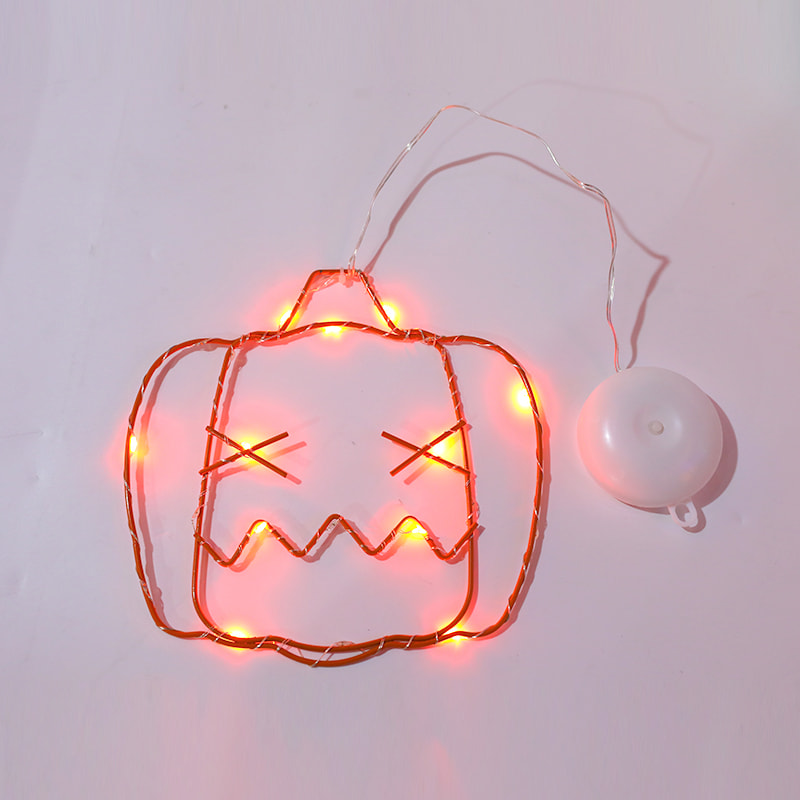
Many interior decorators and event planners searching for versatile accent lighting often consider options like Led Vine light and Led Halloween decoration light when working with wood-based structures or fabric installations. These lighting styles have become common tools for creating subtle highlights and natural visual rhythm within a space. Whether the scene involves a wooden display wall, a fabric backdrop, or a themed installation, the way lighting interacts with materials greatly affects the final presentation.
Wooden surfaces vary widely in texture—from polished panels to rustic beams—and LED vine lights interact with each differently. The flexible branches of a vine-style strip allow installers to follow the natural contours of wooden frames or decorative panels. When wrapped around beams, arches, or wooden latticework, the lights sit comfortably along the grain without requiring heavy mounting hardware.
For wooden furniture or display stands used in retail or event settings, the lights help outline shapes or highlight specific sections. The soft glow offers a straightforward way to bring attention to an item without overshadowing the natural color of the wood. This is especially useful when decorators want to maintain the material’s visual integrity while adding light-based accents.
Some neutral-toned versions of LED Halloween decoration lighting also integrate into wooden décor when the decorative elements are minimal. Options such as warm-tone mini bulbs, small-shaped accents, or simple light strings can be used to frame signage, shelves, or seasonal displays without creating a theme-specific look.
Fabric is widely used in weddings, trade shows, photoshoot backdrops, and window displays. Vine-style LEDs pair well with fabric because they can be positioned behind, under, or above layers of cloth without causing damage or heat-related concerns.
When placed behind sheer or semi-transparent fabrics, the lighting creates a soft, diffused effect that helps enhance the depth of the backdrop. The fabric functions as a natural filter, allowing the light to spread evenly across the surface. This method is common in photo zones where a calm background is preferred over sharp or concentrated lighting.
On thicker fabrics—such as drapery, canvas, or layered textiles—LED vine lights can be pinned or tied to the material without pulling or distorting the fabric. They can also be woven through decorative knots, floral clusters, or ribbon arrangements. The flexibility of the branches makes it easy to adjust the direction of the light to avoid uneven brightness.
Certain Halloween decorative lights with understated designs can also be used for fabric décor, particularly for events held at night. When placed around the outer edges or hidden within folds of fabric, they create small points of warm accent lighting that complement the overall setup.
Lighting interaction with wood and fabric greatly depends on the theme of the interior or event. LED vine lights naturally suit rustic, bohemian, forest-inspired, and botanical themes, but they can also work in minimalist or contemporary settings when used with neutral-colored backdrops.
For rustic wedding arches, wood trellises, or reclaimed timber frames, the vine structure blends organically with the materials. When applied to modern sets—such as wood panels coated with matte finishes or clean-lined fabric displays—the lights contribute a calm visual layer without overwhelming the design.
Some LED Halloween decoration lights, though originally created for seasonal displays, can be used as supportive elements in themed retail windows, evening events, or indoor décor. When choosing such lights for non-Halloween settings, decorators typically select types with simple shapes or single-color illumination to maintain visual consistency.
Installation needs vary depending on the surface type, and the lightweight construction of LED vine lights provides flexibility during setup. For wooden surfaces, decorators often secure the vine using small clips, adhesive hooks, or thin ties that do not damage the wood. The flexibility allows the installer to follow curved shapes or reposition branches to fill visual gaps.
For fabric installations, gentle fasteners such as safety pins, small clamps, or hook-and-loop connectors allow the lights to sit securely without stretching or tearing the material. Because the lights generate little heat, they can safely come into close contact with many fabrics, which is useful for layered or tightly woven designs.
Halloween-themed LED lights, when used in a neutral context, follow similar installation approaches. Their lightweight nature makes them suitable for hanging from fabric frames, outlining wooden props, or enhancing window displays without adding bulk.
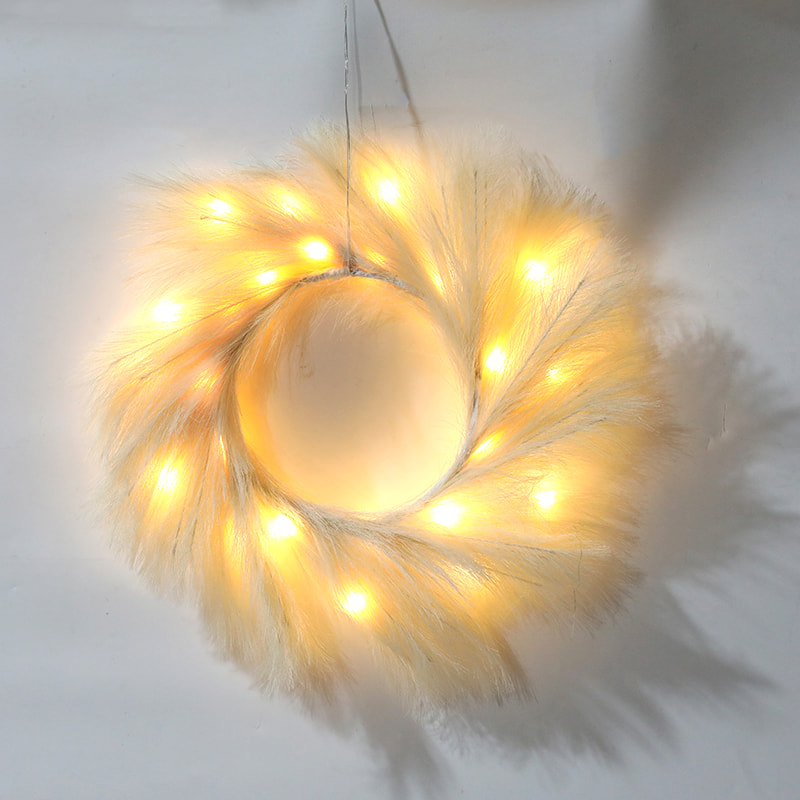
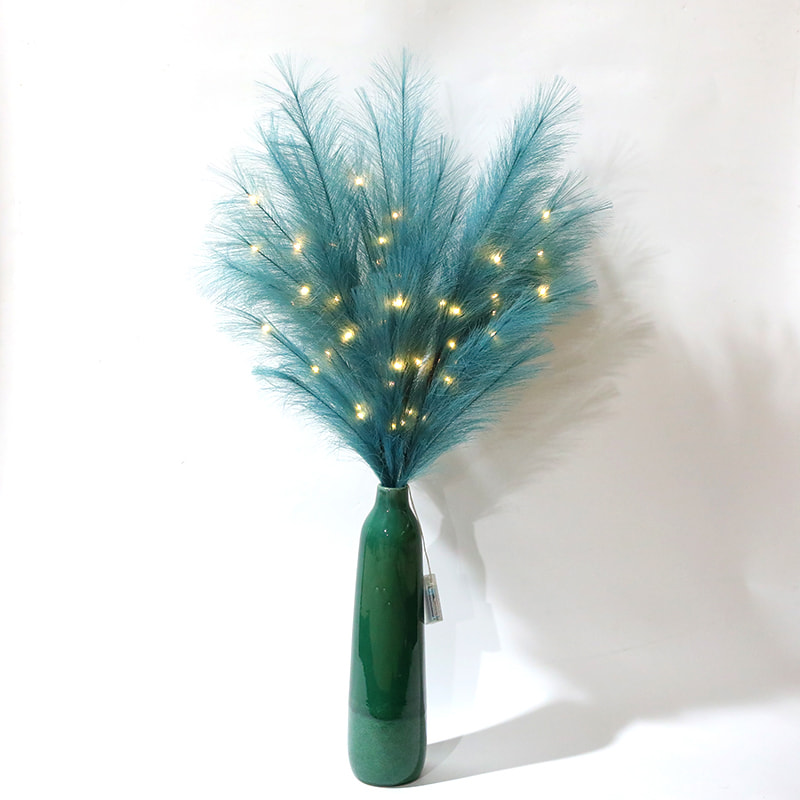
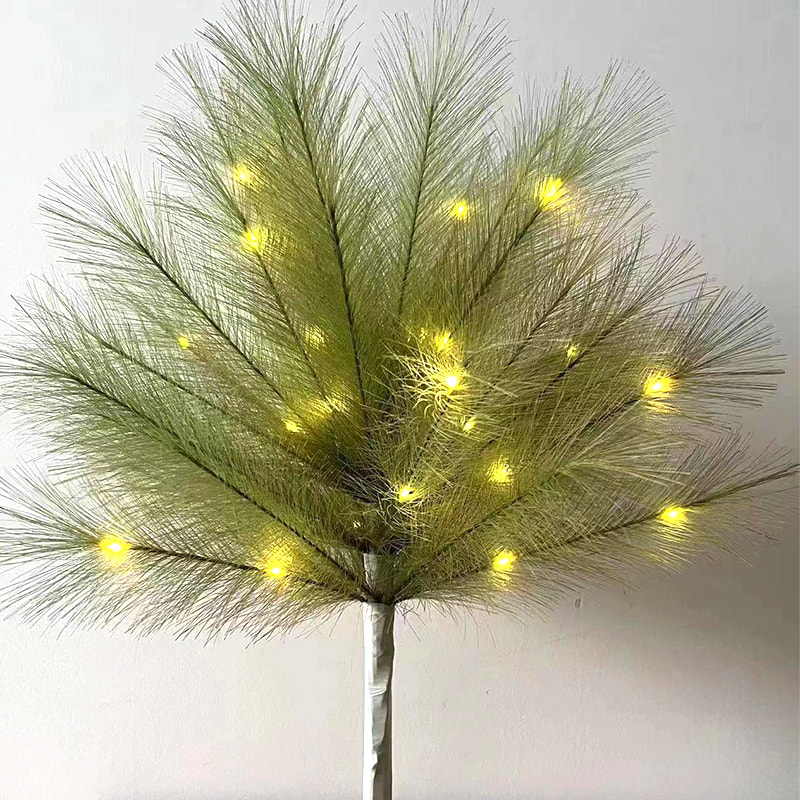
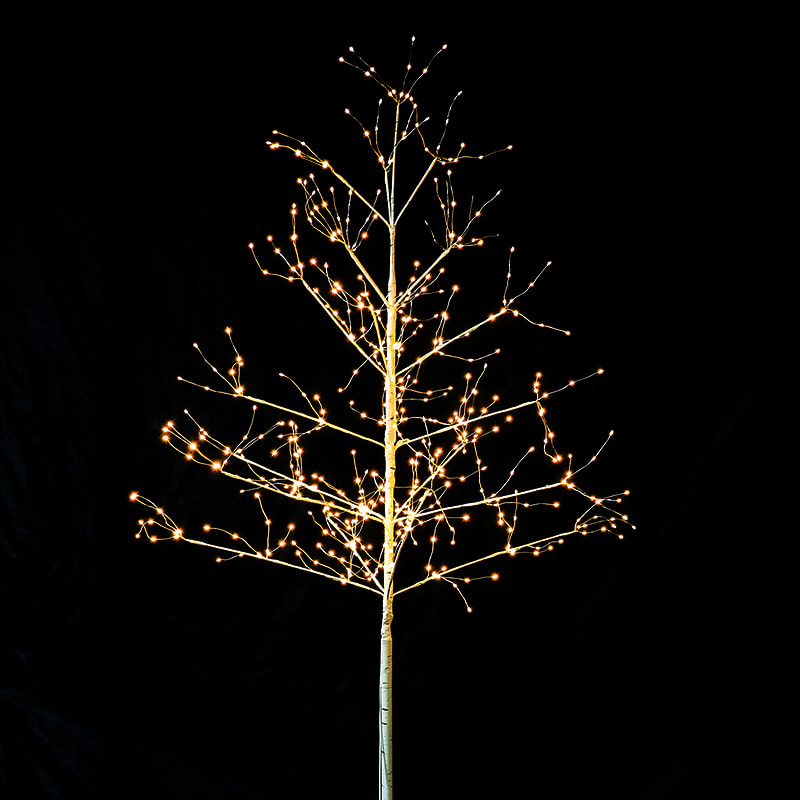
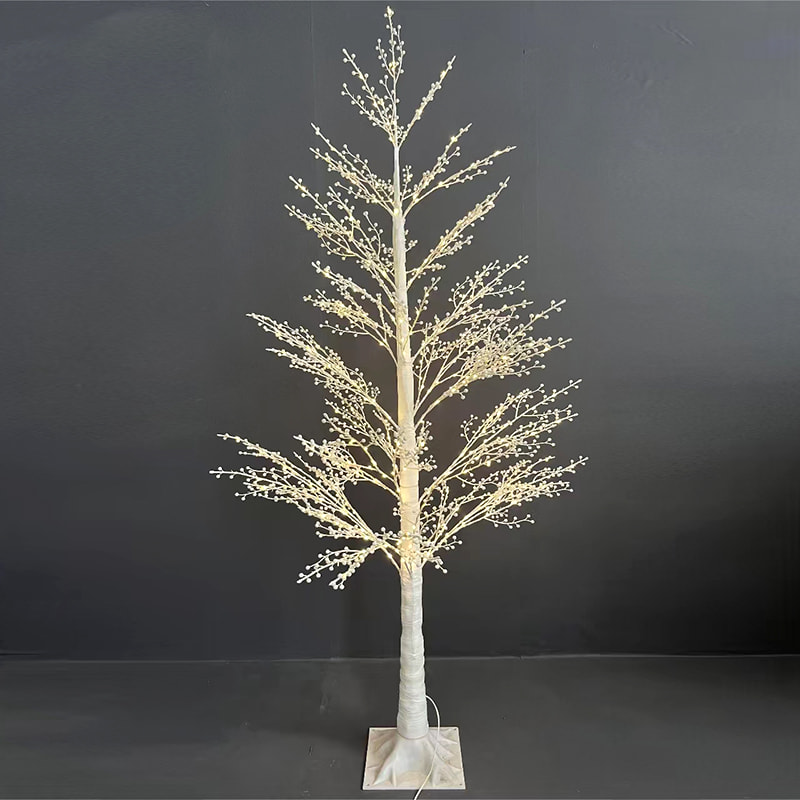
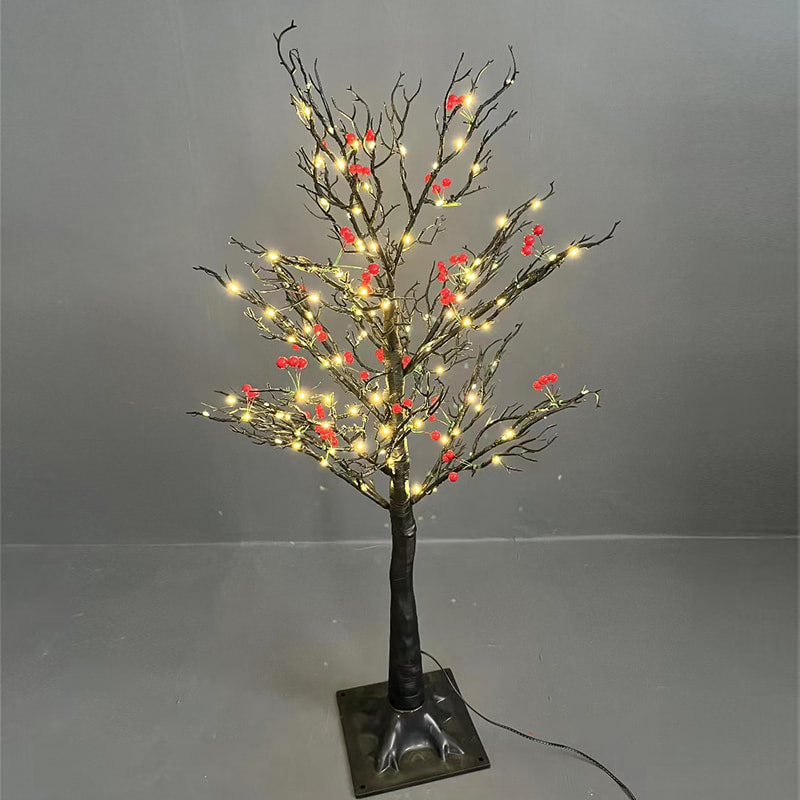
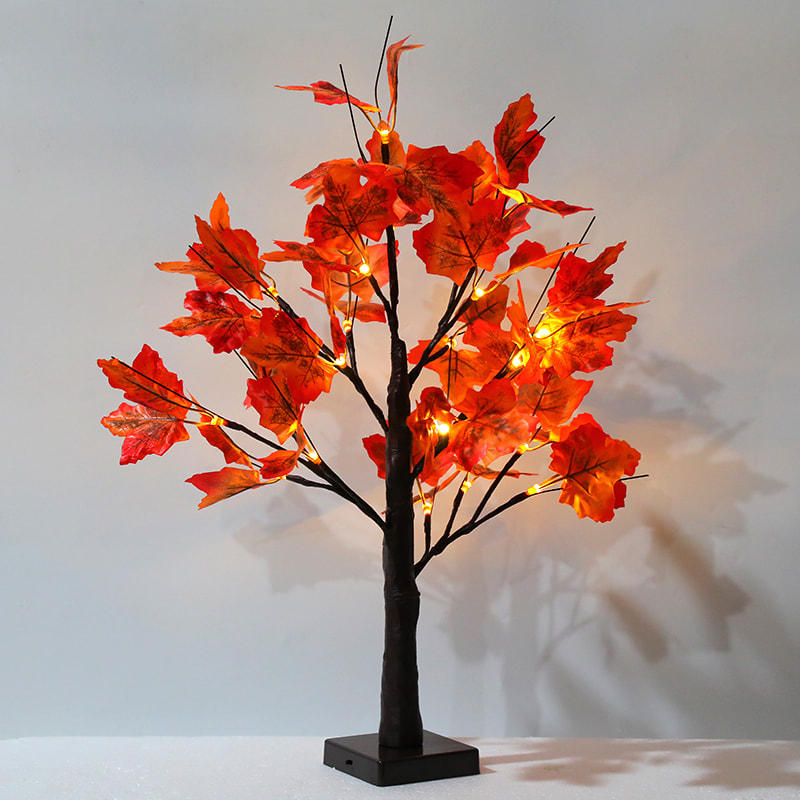
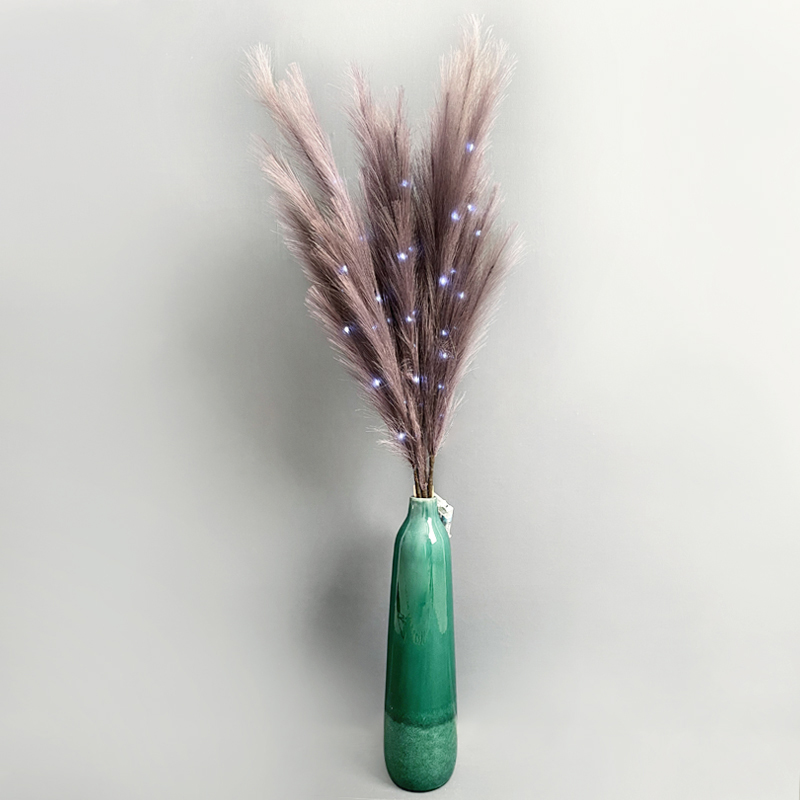

The company has various specifications of linear lights, net lights, ice bar lights, curtain lights, various modeling lights, tree lights, rainbow tubes, meteor showers and so on.
PRODUCT
keep in touch
Shuangzhai Industrial Zone, Dongcheng Town, Linhai City, Zhejiang, China.
+86-576-85908936
+86-15395898936
sales1@brightime-lighting.com
